
The Electric Future of Porsche: Inside the Development of the 718 EV in 2026
For over a decade, the automotive industry has undergone a seismic shift. Traditional combustion engines, once the backbone of performance engineering, are increasingly being replaced by electric drivetrains. At the forefront of this technological revolution stands Porsche, a marque renowned for its uncompromising performance and precision engineering. The company has long been committed to bridging the gap between its legendary heritage and the demands of the modern world, and one of its most anticipated projects is the all-electric successor to the iconic 718 Boxster and Cayman.
The transition to electric mobility presents a unique challenge for a brand like Porsche. The brand has built its reputation on the tactile experience of driving, the visceral thrill of internal combustion, and the symphony of exhaust notes that define the Porsche sound. To maintain this heritage in an electric future requires a delicate balancing act—a preservation of driving dynamics and engagement while embracing the efficiency, performance, and sustainability that electric powertrains offer.
A Legacy in Transition: The Evolution of the 718 Platform
For years, the Porsche 718 platform has represented the entry point into the Porsche experience. These compact, mid-engine sports cars are praised for their balance, agility, and driver-focused DNA. Over time, the Boxster and Cayman have evolved, but they have always retained a core identity: a pure, visceral driving experience that prioritizes connection between the driver, the machine, and the road.
However, the automotive landscape is changing rapidly. Stringent emissions regulations, growing consumer demand for sustainable luxury, and advancements in battery technology have pushed many manufacturers to electrify their lineups. Porsche, under its comprehensive “Mission E” strategy, has committed to electrifying a significant portion of its vehicle portfolio. This commitment has led to the development of ground-up electric platforms, such as the PPE (Premium Platform Electric) and the updated J1 platform, which are integral to the success of cars like the Taycan.
The 718 EV has been a focal point of this transition for several years. Early whispers suggested the car would be a pure electric derivative of the 982 platform, but as development progressed, it became clear that Porsche was moving toward a new, dedicated architecture. This evolution is a testament to Porsche’s commitment to building a truly compelling electric sports car, rather than a retrofit of an existing gasoline model.
The Shift to the PPE Platform
In 2024,Porsche announced that the upcoming all-electric Boxster and Cayman would be built on the Premium Platform Electric (PPE) architecture. This decision represents a significant pivot for the 718 lineup, aligning it more closely with the Taycan and other next-generation Porsche models. The PPE platform is designed specifically for electric vehicles and is engineered to accommodate large-capacity batteries, high-performance electric motors, and the advanced thermal management systems required for sustained performance driving.
By adopting the PPE platform, Porsche is positioning the 718 EV as a true sports car of the electric era. The platform is optimized for weight distribution and structural rigidity, both critical for maintaining the balanced handling characteristics that Porsche buyers expect. It also allows for the integration of 800-volt architecture, which enables ultra-fast charging capabilities and efficient power delivery to the electric motors.
The decision to move to a new platform also addresses challenges associated with converting a traditional sports car to electric power. Adding heavy battery packs to a gasoline chassis often results in compromises to handling, ground clearance, and cooling. A purpose-built electric architecture ensures that the 718 EV remains true to its sports car roots while leveraging the latest advancements in electric technology.
Decoding the Spy Shots: Evidence of Near-Production Readiness
While Porsche has been intentionally tight-lipped about the specifics of the 718 EV, spy photographers have provided glimpses of the vehicle during testing. In early 2026, photographs and videos captured during track testing at the Nürburgring and on public roads offered critical insights into the design and engineering of the upcoming electric sports car.
The Evolution of the Body
Initial test mules of the 718 EV were heavily camouflaged, as is typical for pre-production vehicles. However, as development progressed, the prototypes began to shed some of their disguises, revealing more of the final production design. One of the most significant observations from the spy shots is that the 718 EV retains the familiar silhouette of the Boxster and Cayman. The mid-engine layout, characteristic of the 718 platform, is preserved, though the proportions have been adjusted to accommodate the electric drivetrain.
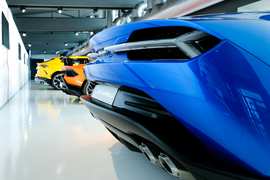
The rear end of the vehicle has also undergone significant transformation. While the outgoing 718 model features a distinctive taillight design that wraps around the rear fascia, the EV version appears to incorporate a full-width light bar. This design element aligns with Porsche’s current design language, seen on the Taycan and the Panamera. The taillights are sleeker and more integrated, giving the rear of the car a modern, futuristic look.
Additionally, the rear bumper area has been redesigned to account for the absence of a conventional exhaust system. While some prototypes featured fake exhausts to mislead observers, the final design is clearly optimized for an electric powertrain. The overall exterior design reflects a careful balance between Porsche’s signature styling and the functional requirements of an electric vehicle.
Aerodynamics and Efficiency
One of the critical challenges for electric sports cars is aerodynamic efficiency. The range of an EV is heavily dependent on its aerodynamic profile, and Porsche has long been at the forefront of using aerodynamics to enhance performance. Spy shots of the 718 EV show several features aimed at maximizing aerodynamic efficiency.
For instance, active aerodynamic components such as adjustable spoilers and front air dams are likely to be standard features on the 718 EV. These technologies allow the car to optimize its drag coefficient based on driving conditions. At higher speeds, the active spoiler extends to increase downforce, while during city driving or charging, it retracts to reduce drag and improve range.
Furthermore, the design of the underbody is critical for managing airflow. Porsche’s PPE platform utilizes a flat underbody design to minimize turbulence and maximize aerodynamic efficiency. This attention to detail is crucial for ensuring that the 718 EV can achieve competitive range figures while maintaining the driving dynamics expected from a Porsche sports car.
The Sound of the Electric Porsche
For Porsche enthusiasts, the sound of the engine is as integral to the experience as the performance itself. The traditional Boxster and Cayman produce a distinctive engine note that has become synonymous with the brand. When Porsche announced the transition to electric powertrains, a common question was how the brand would address the auditory experience.
Porsche has confirmed that the 718 EV will feature an “Enhanced Acoustic System” (EAS) to provide an engaging auditory experience. This system uses speakers to generate a synthesized sound that mimics the character of a traditional Porsche flat-six engine. This is not merely about creating a noise; it’s about enhancing the driving experience by providing tactile feedback to the driver and communicating the vehicle’s performance through sound.
The EAS is integrated into the vehicle’s interior and exterior, creating a immersive auditory experience for both the occupants and pedestrians. While some purists may argue that an electric car should be silent, Porsche recognizes that sound is a critical element of automotive culture. By offering an optional sound experience, Porsche is bridging the gap between the legacy of its internal combustion engines and the future of electric mobility.
Performance and Power Metrics for 2026
While Porsche remains secretive about the exact specifications of the 718 EV, there are indications that the car will offer performance metrics that align with the brand’s heritage. The move to the PPE platform suggests the use of dual-motor, all-wheel-drive architectures, which are capable of delivering instantaneous torque and impressive acceleration.
Motor Configuration and Power
The PPE platform supports various electric motor configurations, but the 718 EV is expected to feature at least one electric motor per axle. This allows for torque vectoring, a technology that adjusts the distribution of power to individual wheels to improve handling and stability. In the case of the 718 EV, this means the car will be able to precisely control its trajectory through corners, maintaining the agile and precise handling that Porsche is famous for.
While specific power outputs remain unconfirmed, the 718 EV is anticipated to deliver performance in the same league as the current top-tier gasoline models. This translates to estimated output figures in the range of 500 to 600 horsepower, with 0-60 mph times potentially falling below 4 seconds. This level of performance ensures that the 718 EV will remain a formidable sports car capable of delivering exhilarating driving experiences.
Range and Charging Capabilities
The electric sports car market is highly competitive, with brands like Tesla, Lucid, and the rest of the Porsche lineup offering impressive range figures. For Porsche to maintain its reputation as a producer of high-performance luxury vehicles, the 718 EV must deliver a compelling balance of performance and range.
The 718 EV will likely feature a battery pack sized in the 75–100 kWh range, a common configuration for performance EVs built on the PPE platform. While early speculation suggested a smaller battery, the decision to adopt the PPE architecture opens up the possibility of larger battery packs, which would provide a more competitive range.

Charging capabilities are also a key focus for the 718 EV. With its 800-volt architecture, the car will be capable of ultra-fast charging, allowing drivers to add significant range in a short amount of time. At 270 kW DC fast-charging stations, the 718 EV could potentially charge from 10% to