The All-Electric Porsche 718 EV: A Comprehensive Market Analysis for Buyers and Investors
As we navigate the rapidly evolving automotive landscape of 2026, one vehicle continues to dominate conversations among enthusiasts and industry insiders alike: the all-electric Porsche 718 EV. Originally anticipated as a revolutionary step forward for the iconic sports car brand, its journey through development has been marked by delays, strategic shifts, and a prolonged gestation period. This article offers an in-depth analysis of the 718 EV’s current status, explores the market dynamics of the electric luxury sports car sector, and provides actionable advice for potential buyers and investors.
The Evolution of the Porsche 718 EV
The story of the Porsche 718 EV is a testament to the complexities of bringing a ground-up electric sports car to market. For years, automotive journalists and spy photographers have tracked prototypes of what Porsche calls the “718 EV” and “718 electric.” These test mules have been seen lapping the Nürburgring, shedding their camouflage, and revealing a design that, at first glance, appears remarkably conventional.
Confirmation of Progress: Audi’s Insight
While Porsche has maintained a characteristically tight-lipped approach, an indirect confirmation of the project’s longevity came from Audi earlier this year. Audi, itself a stalwart of the Volkswagen Group, indirectly confirmed that the 718 EV project was still alive and in development by revealing that it was still working on a new TT sports car to share the same underpinnings. This strategic alignment underscores a critical point for the automotive industry: the success of the 718 EV is intrinsically linked to the platforms and technologies being developed within the Volkswagen Group.
Shedding Camouflage: The 718 EV’s Visual Identity
Prototypes of the electric 718 have been logging significant miles at the Nürburgring. Over time, the vehicle has shed its most disruptive camouflage, allowing for a clearer view of the body sides and the rear end as it is expected to enter production. At first glance, the design appears remarkably conventional. Without being told, it would be difficult to discern that this is an electric vehicle. A keen-eyed observer might note a slightly elongated rear end compared to the standard gas car, but this subtle deviation from the norm is not immediately apparent. This conservatism in design suggests a deliberate effort by Porsche to preserve the classic 718 aesthetic while adapting it to an electric powertrain.
Market Dynamics and Financial Implications
The launch of the all-electric Porsche 718 has significant implications for the automotive market, particularly in the luxury sports car segment. The transition from internal combustion engines (ICE) to electric powertrains presents a fascinating case study in how heritage and innovation can coexist.
Pricing and Cost Analysis
One of the most pressing questions for potential buyers revolves around pricing. While Porsche has remained tight-lipped, the company has a history of positioning its electric models at a premium. Given that Porsche’s first all-electric car, the Taycan, launched with a starting price of around $88,000, it is reasonable to assume that the 718 EV will command a similar or slightly higher price point. However, the 718 is fundamentally positioned as a less expensive sports car than the Taycan, so we might expect a starting price in the high $70,000s, depending on trim levels and optional extras.
Cost Breakdown and Financial Strategies
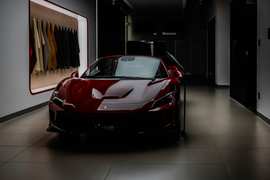
The $80,000 Question:
When considering the 718 EV, buyers must navigate a financial landscape where mortgage rates and home loans are significantly higher than in recent years. This makes the decision to invest in an $80,000-plus vehicle even more critical. A buyer considering this purchase must ask themselves: “Am I using savings, taking out a car loan, or leveraging home equity?”
If a buyer opts for a car loan, the higher mortgage rates indirectly influence their interest rates. Many financial institutions offer bundled loans for mortgages and auto loans; when mortgage rates rise, the general cost of borrowing increases, often pushing up car loan rates.
Example Scenario:
Imagine a buyer with a $75,000 down payment looking to purchase the 718 EV at an initial price of $85,000. This requires a car loan of $10,000.
| Scenario | APR | Loan Term (Months) | Monthly Payment | Total Interest |
| :— | :— | :— | :— | :— |
| Low Interest Rate (Ideal) | 3.5% | 60 | $181.95 | $81.70 |
| Current Rates (Industry Average) | 7.9% | 60 | $201.98 | $111.88 |
While the monthly difference might seem small on the surface, the long-term cost of borrowing when interest rates are higher is substantial. A buyer must compare home loans with car loan interest rates to see which is more cost-effective. A $75,000 down payment on a house today might cost more to service due to high mortgage rates, making a 60-month car loan for the Porsche a potentially cheaper option than overleveraging their home equity for a down payment on an additional property.
Best Financial Strategies Right Now (2026)
Compare Insurance Rates: Unlike ICE cars, electric sports cars often come with higher insurance premiums. Buyers should research insurance for the 718 EV before purchasing. Websites like NerdWallet or CompareInsuranceNow can provide cost estimates.
Refinancing Analysis: If a buyer currently has a high-interest rate on their existing car or home, they should consider refinancing. Refinancing a home loan today could lower monthly payments, freeing up capital for a new car.
Real Estate Investment vs. Luxury Car: With high mortgage rates, real estate investment is less appealing for first-time buyers or those looking to build wealth through property. The cost of capital is expensive. A luxury car like the 718 EV might be a more rational purchase if the buyer can afford it without stretching their finances, rather than investing in a property that yields a lower return on investment due to high borrowing cost.
Insurance and Long-Term Costs
The insurance for a high-performance electric vehicle like the 718 EV will likely be more expensive than for comparable gasoline-powered models. This is primarily due to the higher initial cost of the vehicle, the potential cost of battery replacement, and the increased complexity of electric vehicle repair. Buyers must factor this into their total cost of ownership. A comprehensive comparison between insurance options for electric sports cars and their gasoline counterparts is essential to avoid unexpected expenses.
Performance and Handling: A New Driving Experience
One of the most significant departures from the traditional Boxster experience is the transition to an electric powertrain. Porsche has promised that the 718 EV will remain true to the brand’s heritage of “driving feel.” This means prioritizing agility, balance, and responsive handling—all critical factors for sports car enthusiasts.
Power Delivery and Electric Thrills
The electric motors on the 718 EV are expected to provide instant torque, transforming the driving experience. Unlike the linear power delivery of a gasoline engine, EVs provide immediate acceleration from a standstill. This instant response is crucial for the dynamics of a sports car, offering a different kind of thrill that many drivers find addictive.
Handling and Weight Distribution
The placement of the battery pack will have a significant impact on the 718 EV’s handling. Porsche has indicated that they will optimize the placement of the batteries to ensure a low center of gravity. This, combined with a near 50/50 weight distribution, is critical for maintaining the legendary balance that the Boxster is known for. While the added weight of batteries typically compromises handling, Porsche’s engineering prowess is expected to mitigate this effect.
Comparing Electric and Gasoline Models
For potential buyers, the decision between the gasoline 718 and the electric 718 is a complex one. It involves weighing performance, cost, environmental impact, and long-term value.
The Gasoline Advantage: Legacy and Emotional Connection
Many traditional Porsche enthusiasts value the visceral experience of a gasoline engine: the sound, the revs, and the mechanical feel. The Porsche 718 Boxster with a 4-liter flat-six engine offers a symphony of sound and performance that is difficult to replicate with an electric motor. Furthermore, the gasoline version is currently more readily available and often costs less than the electric counterpart. The cost of fuel, however, is volatile, and many drivers prefer the consistent charging experience of electric vehicles.
The Electric Advantage: Instant Torque and Future-Proofing
The 718 EV offers the advantage of instant torque, quieter operation, and alignment with global environmental trends. As governments and manufacturers push toward electrification, owning an electric sports car can be seen as a long-term investment that future-proofs the owner’s vehicle against potential ICE bans and tightening emissions regulations. Furthermore, the cost of electricity has been more stable than the price of gasoline in recent years, although this varies by region.
Should You Buy, Wait, or Rent/Invest?
The decision to purchase the 718 EV in 2026 is a financial and lifestyle choice that requires careful consideration. Given