
Porsche Electric Sports Car: The Final Design Emerging from the Shadows
A Glimpse into the Future of the 718 Boxster EV in 2026
For years, the Porsche 718 EV existed in the realm of automotive rumor and leaked prototypes. We’ve seen countless spy shots, analyzed leaked internal documents, and waited for Porsche to officially commit to electrifying their iconic entry-level sports car. Yet, for a long time, the whispers suggested development hell, potential cancellations, and a gradual fade from the lineup as Porsche focused on electrification elsewhere.
However, the automotive world is shifting, and the landscape of electric vehicles is maturing at an unprecedented rate. This has led to a renewed commitment from established automakers to translate their most cherished sports car heritage into the electric era. Here in 2026, we are moving beyond the initial testing phases and witnessing the evolution of a final design, proving that the Porsche electric sports car is no longer just a concept—it’s a tangible product on the cusp of reality.
The 718 EV: A Slow and Steady Evolution
When we first saw images of the 718 Boxster EV prototype, it was shrouded in heavy camouflage, designed to obscure any defining design features. The spy photographer’s lens at the time captured a vehicle with exaggerated proportions, fake exhaust outlets, and cladding that masked the rear end. Even the sound of the prototype suggested a departure from the traditional combustion engine, with tire noise and air rushing past the chassis replacing the mechanical symphony of a flat-six or flat-four.
Initially, industry speculation pointed toward a 2024 or 2025 release date. This prediction proved overly optimistic, as the development process dragged on. However, in 2026, we now know that the persistence paid off. The most recent spy photos show a marked improvement in the prototype’s design, shedding the more disruptive camouflage and revealing body sides and a rear end that closely resemble the final production model.
A Familiar Silhouette: The Electric Porsche Boxster
Perhaps the most surprising aspect of the electric Porsche Boxster is just how conventional its design is. Without being told that this is an electric vehicle, one might easily mistake it for a standard gas-powered model. Porsche’s designers have successfully integrated the electric powertrain into a form factor that respects the iconic lines and proportions of the 718 series.
One subtle clue that might give away the EV nature is the slightly elongated rear end compared to the standard gas car. This lengthening is often required to accommodate the packaging of large battery packs, but if one wasn’t actively looking for it, they might not even notice the difference. This minimalist approach to design is a hallmark of Porsche—a commitment to evolution rather than revolution.
The Technological Underpinnings: A Shared Platform
The evolution of the 718 EV is intrinsically linked to the development of the Audi TT and the Macan EV. Audi’s indirect confirmation that the TT was still in development served as a strong indicator that the shared chassis platform, known internally as the PPE (Premium Platform Electric), was still being developed. This platform is a cornerstone of the Volkswagen Group’s electrification strategy, and its success is crucial for multiple models across the brands.
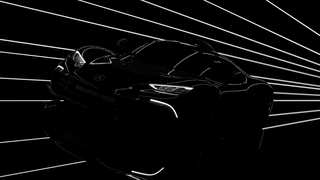
The decision to build the 718 EV on the same platform as the Macan EV and the Audi TT is a strategic one. It allows for cost efficiencies through economies of scale, standardized battery management systems, and shared charging infrastructure. However, this also presents a significant technical challenge. The PPE platform was originally designed for larger vehicles, and adapting it to the compact, lightweight form factor of a sports car requires engineers to strike a delicate balance between battery capacity, weight distribution, and performance.
A Paradigm Shift in Automotive Performance: Performance Without Compromise
For decades, the Porsche sports car has been defined by its exhilarating performance. The sounds, the throttle response, and the raw visceral feedback have been central to the driver’s experience. With the transition to electric power, many enthusiasts have wondered if this core identity would be lost.
The current prototypes suggest that Porsche is taking a different approach. Rather than a minimalist design that might make the car feel cheap, Porsche seems to be prioritizing performance and substance. The design is likely to be bold and distinctive, with aerodynamic features that optimize range while maintaining the aggressive aesthetic that Porsche buyers expect.
Beyond the visual design, the performance specs of the 718 EV are where the true innovation lies. While the company has not released official figures, industry analysts speculate that the car will offer unprecedented levels of acceleration and handling. One variant is expected to feature a rear-wheel-drive setup with a single electric motor, mirroring the traditional configuration of the 718. However, sources indicate that an all-wheel-drive variant with dual motors is also in development, which would offer increased traction and performance in all weather conditions.
This dual-motor setup has the potential to be a game-changer for the 718. Imagine a car that can accelerate from 0 to 60 mph in less than three seconds, offering the kind of performance that was once reserved for hypercars, all within the classic proportions of a Porsche Boxster or Cayman.
The Challenge of Packaging and Performance
One of the biggest challenges for Porsche engineers is integrating the necessary battery capacity into a vehicle that is designed to be lightweight and agile. The standard 718 is known for its balance and handling, and adding heavy battery packs can negate these advantages.
To maintain the classic Porsche driving dynamics, engineers are likely employing a variety of strategies. The PPE platform includes provisions for a flat battery pack that sits in the underfloor of the vehicle, but Porsche may have developed custom solutions to lower the center of gravity even further. Furthermore, lightweight materials such as aluminum, carbon fiber, and advanced composites are likely to be used throughout the chassis and body to minimize weight.
This focus on weight reduction and optimized handling is critical for Porsche. The brand has built its reputation on delivering a superior driving experience, and the electric Porsche Boxster must deliver on this promise. It must feel like a true Porsche, not just a generic EV with a badge.
The Cayman and the Boxster: Electric Siblings
The 718 EV is expected to arrive in two variants: the Boxster and the Cayman. While the Boxster is the convertible version, the Cayman is the coupe. Historically, these two models have shared the same platform, engines, and interior appointments, with the main difference being the roofline. This strategy is expected to continue with the electric versions.
The Porsche Cayman EV will likely feature the same technological advancements as the Boxster EV, but with a fixed roof. This might offer a slight advantage in terms of torsional rigidity and aerodynamic efficiency, but both cars are expected to offer a similar range and performance.
Navigating the Competitive Landscape
The electric sports car market is becoming increasingly crowded. Competitors such as Tesla, Lucid, and Polestar are already offering electric sports cars with impressive performance. Porsche must not only meet these expectations but exceed them.
The key advantage for Porsche is its heritage. The brand has a loyal following of customers who are drawn to the craftsmanship, performance, and prestige of owning a Porsche. By successfully translating these values into the electric era, Porsche can maintain its competitive edge.
However, Porsche also faces some challenges. The cost of electric sports cars is still relatively high, and the charging infrastructure is not yet as developed as traditional gas stations. Furthermore, the resale value of electric vehicles has been a point of concern for buyers.
The Verdict: Is the Porsche Electric Sports Car Worth the Wait?
For years, the 718 EV existed as a concept, a rumor, and a prototype. But now, in 2026, we are seeing evidence of a final design emerging from the shadows. The Porsche electric sports car is no longer just a pipe dream—it’s a reality on the horizon.
While the exact launch date is still uncertain, the signs are promising. The prototypes are wearing less camouflage, and the design is evolving into a familiar silhouette that pays homage to the 718 legacy. The technological underpinnings are being optimized for performance and handling, and the competitive landscape is forcing Porsche to deliver its best work yet.
For enthusiasts and potential buyers, the question remains: should you wait for the electric 718, or should you look elsewhere?
Should You Buy, Wait, or Rent/Invest?
For traditional sports car enthusiasts, the decision is a complex one. You have to weigh the benefits of a pure-electric driving experience against the heritage of internal combustion engines.
Buying Now: If you are looking for a current-generation sports car that will turn heads and offer a visceral driving experience, the 2026 Porsche 718 with a traditional engine is still the best option. You can still purchase a new Boxster or Cayman with the iconic flat-four or flat-six engine, offering the sound, feel, and performance that has defined Porsche for decades.
Waiting for the Electric: If you are interested in cutting-edge technology, instant torque, and a zero-emissions sports car, waiting for the electric 718 is a smart move. The 718 EV is expected to offer unprecedented performance, advanced handling systems, and a unique driving experience. However, you will need to be patient, as the official launch date is still unknown.
Renting/Investing: If you are interested in experiencing the future of sports cars without committing to a purchase, renting or investing in a high-performance EV is a great option. You can find Tesla Model S Plaid, Porsche Taycan, and other high-performance electric cars at affordable