
The Future of the Track: Porsche’s Electric Boxster Replacement Approaches Production
The pursuit of automotive evolution has reached a critical threshold. As global emissions standards tighten and the specter of environmental legislation looms, manufacturers across the board are recalibrating their strategies. Porsche, a marque long synonymous with raw, analog driving pleasure, stands at the precipice of a seismic shift. The iconic 718 platform, the traditional heartbeat of their two-seater sports car segment, is slated for transformation. But is this a eulogy for the gasoline-powered future, or a prelude to a new era of electrification? As prototypes continue to lap the challenging curves of the Nürburgring, a compelling picture emerges: the all-electric Boxster replacement, often referred to as the 718 EV, is moving from concept to reality, challenging preconceived notions of what a premium performance roadster can be.
The journey toward electrification at Porsche has been characterized by measured precision rather than brash disruption. While their foray into electric mobility, the Taycan, marked a bold statement, the transition of the 718 has been a more protracted and deliberate affair. For years, rumors swirled that this iconic chassis might be axed entirely, a victim of its relatively small market segment and the high cost of developing a bespoke electric platform for a niche product. However, industry whispers—and now, physical evidence—suggest otherwise. The continued presence of prototypes in real-world testing environments offers a clear signal that the project is not only alive but actively progressing toward production. The question no longer seems to be if the Boxster will go electric, but when, and more importantly, how Porsche will manage the expectations of loyal enthusiasts who cherish the visceral connection offered by internal combustion engines.
Genesis of a Revolution: From ICE to EV
The Porsche 718 platform, encompassing both the Boxster and its Cayman coupe sibling, has long been the entry point into the exclusive club of German sports car ownership. Historically revered for its naturally aspirated engines and superb chassis balance, the 718 represents a philosophy of driving that prioritizes engagement and feedback over outright horsepower. However, the modern automotive landscape offers little room for inertia. The European Union’s stringent emissions targets, including the de facto ban on new petrol and diesel cars from 2035, have forced even the most traditional manufacturers to pivot.
Porsche’s commitment to electrification is underpinned by a massive capital injection into the segment. In 2023, the company announced plans to invest significantly in its Stuttgart-Zuffenhausen production facility, specifically earmarking substantial funding for the development of the next-generation 718. This move signaled that the 718 platform is not merely being updated, but reimagined from the ground up for an electric future.
The strategic decision to electrify the 718 is particularly noteworthy. Unlike the flagship Panamera or the iconic 911, which remain firmly rooted in the realm of high-performance internal combustion engines (though the 911 is reportedly considering hybrid options), the 718’s future hinges on electric propulsion. This choice suggests a commitment to offering a true sports car experience in an electric format, rather than simply electrifying existing models.
The Visual Evidence: A Near-Final Design Emerges
For automotive journalists and spy photographers, the Nürburgring Nordschleife is the ultimate proving ground. It is here, in the crucible of the world’s most demanding track, that Porsche has been diligently testing the upcoming electric 718. The most recent glimpses into the development of the electric Boxster replacement have been particularly telling. While earlier prototypes were adorned with extensive camouflage designed to obscure key design elements, the newer test vehicles reveal a design that is remarkably close to its production-ready form.
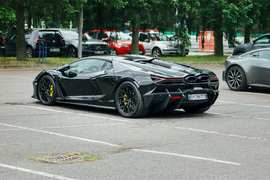
The most striking observation from these spy shots is the uncanny normalcy of the design. In a world where electric vehicles are often distinguished by aggressive aerodynamics, futuristic lighting, or unusual proportions, the electric 718 appears almost conventional. For the uninitiated observer, the car would be indistinguishable from a traditional mid-engine sports car. This subtlety is a hallmark of Porsche’s design philosophy, where innovation is often cloaked beneath an elegant, timeless aesthetic.
Closer examination, however, reveals subtle distinctions that hint at the underlying technology. The rear end of the car appears slightly elongated, a potential necessity to accommodate battery packs and manage the vehicle’s center of gravity. The removal of faux exhaust outlets, which were used to disguise earlier prototypes, confirms that this is indeed an electric vehicle. The interior remains largely obscured, but the driver’s position and the cockpit layout seem familiar, reinforcing the notion that Porsche is committed to preserving the tactile driving experience that loyal customers demand.
The Sound of Silence: Performance and Powertrain
One of the defining characteristics of the traditional Porsche Boxster has been its mechanical symphony. The high-pitched wail of the naturally aspirated flat-four or the guttural roar of the flat-six has long been integral to the emotional appeal of the car. The shift to electric propulsion inevitably raises questions about how this experience will be replicated in an electric future.
While the electric 718 will undeniably be quiet at low speeds, the sound signature during performance driving is an area where Porsche seems intent on delivering a compelling experience. Early prototypes captured on video by automotive enthusiasts at the Nürburgring confirm that the car’s motor acoustics are carefully engineered. While the familiar exhaust note is absent, there is a distinctive whir that remains engaging during acceleration.
More significantly, industry insiders suggest that the electric 718 will introduce a dual-motor, all-wheel-drive configuration. This aligns with the trend toward electrification in high-performance vehicles, where the added traction and torque vectoring capabilities of dual motors can significantly enhance grip and handling. While the traditional rear-wheel-drive layout has been a hallmark of the Boxster, a dual-motor setup on the EV platform would provide a substantial performance advantage, allowing the car to compete with other high-performance electric sports cars on the market.
However, this move also represents a departure from the traditional rear-wheel-drive ethos of the 718. Porsche has always positioned the 718 as a pure driver’s car, emphasizing balance and responsiveness. The introduction of dual motors, while boosting straight-line performance, could alter the weight distribution and handling characteristics. Balancing this new technology with the traditional driving dynamics that customers expect will be a significant challenge for the engineering team.
Investment and Economics: Assessing the Shift
The transition to electric vehicles comes with a significant financial implication for both consumers and manufacturers. For Porsche, the development of a bespoke electric platform for the 718 requires substantial investment in infrastructure, battery technology, and engineering. This cost is likely to be reflected in the retail price of the vehicle.
While the cost of electric vehicles has generally been higher than their internal combustion engine counterparts, there are signs that the market is shifting. Government incentives and tax credits in various regions can help offset the initial purchase price. In the United States, consumer incentives, tax credits, and potential EV tax credits or charging rebates may play a significant role in determining the effective cost of ownership for consumers looking to purchase an electric sports car. Similarly, potential federal fuel tax credits and state-specific incentives for electric vehicles are vital factors to consider.
For the discerning buyer, the decision to purchase an electric sports car involves a comprehensive analysis of the long-term value proposition. While the initial cost may be higher, the reduced running costs associated with electric vehicles—lower fuel expenses (Electricity as a “Fuel”) and reduced maintenance needs—can provide significant long-term savings. Additionally, potential electric vehicle tax credits and charging rebates can make the electric Boxster replacement more financially competitive compared to gasoline-powered alternatives. As the automotive industry moves toward an electric future, the cost of electric vehicles is expected to decrease over time, further narrowing the price gap between electric and conventional sports cars.
The decision between buying, waiting, or renting/investing depends on the individual’s financial situation and their tolerance for market uncertainty. The electric sports car segment is still evolving, and prices may change as the market matures. Consumers should monitor these shifts carefully and weigh the benefits of early adoption against the potential savings of waiting for prices to stabilize.
Navigating the Market: Strategies for Buyers in 2026
For prospective buyers considering a move into the electric sports car segment, the landscape in 2026 presents a unique set of opportunities and challenges. While the excitement of owning a cutting-edge vehicle is palpable, the uncertainty surrounding new technology requires a measured approach.
One common strategy is to wait for prices to stabilize and for the technology to mature. As the market evolves, manufacturers often introduce more affordable versions of their electric vehicles, and competition from rival manufacturers can drive down prices. Additionally, government incentives and charging rebates may become more widely available, further reducing the effective cost of ownership.
Alternatively, early adopters may choose to purchase the electric Boxster replacement as soon as it becomes available. This allows them to experience the latest technology and performance capabilities of the vehicle. However, they must be prepared for the possibility of depreciation as the technology evolves and the market matures.
Investors may choose to hold off on purchasing an electric sports car until they see how the market develops. They can track prices, monitor government incentives, and evaluate the performance of the vehicle before making a decision. This approach allows for a more informed investment decision and reduces the risk of overpaying for the vehicle.
Best Financial Strategies Right Now (2026)
The current market environment in 2026 offers several strategic options for consumers interested in electric sports cars. For those with a strong desire to own the latest technology, exploring available financing options such as car loans or specific EV financing programs is essential.